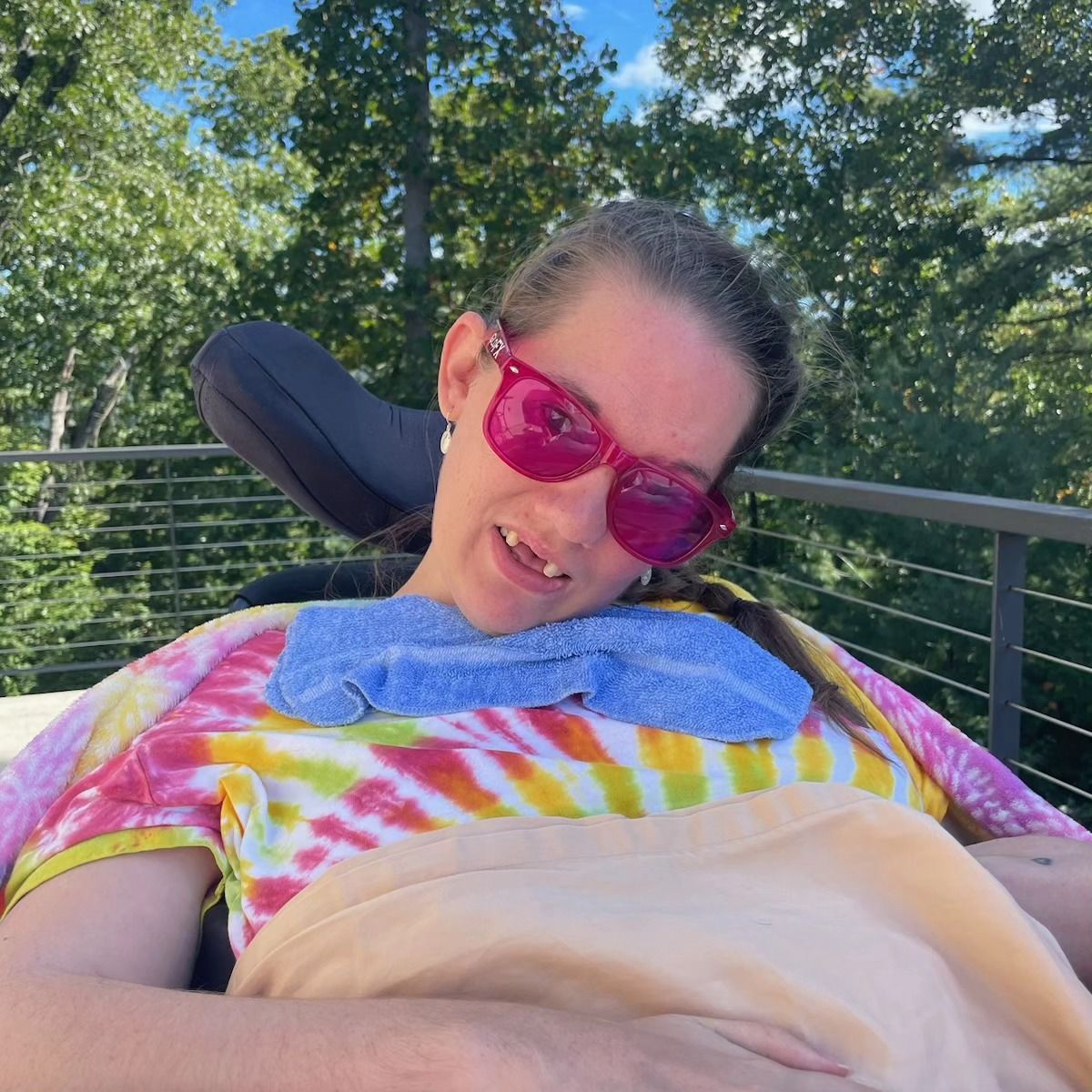
What is TBI?
A traumatic brain injury, or TBI, occurs when a sudden blow or jolt to the head disrupts the normal function of the brain. This can happen from incidents such as car accidents, falls, sports injuries, or assaults. TBIs range in severity from mild (like a concussion) to severe, which can lead to long-term or even permanent damage.
Depending on the severity, a TBI can affect a person’s ability to think, speak, move, and regulate emotions. Some people may recover fully with time and therapy, while others may experience lasting impairments in memory, coordination, or behavior. In severe cases, individuals may lose the ability to care for themselves and require full-time support.
TBI is a complex medical condition that impacts not just the person injured, but also their families and support systems. Recovery often involves ongoing medical treatment, rehabilitation, and long-term care.
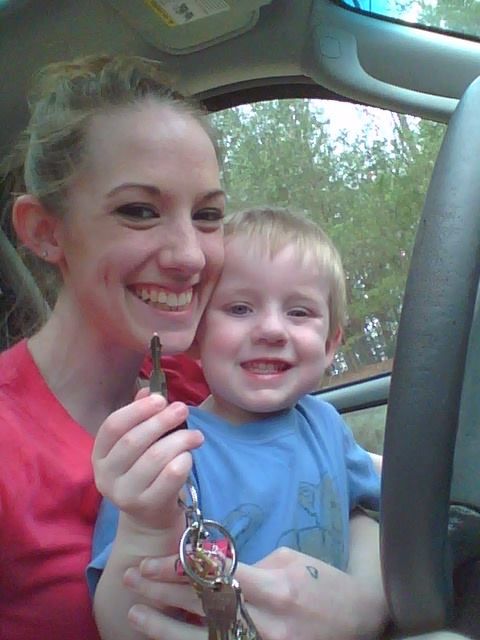
Victoria Faith’s Journey After Severe Traumatic Brain Injury
Victoria Faith’s life was forever changed the day she was struck by a car. What followed was not just a physical injury, but a severe traumatic brain injury (TBI) that would profoundly alter her future.
A severe TBI occurs when the brain suffers significant trauma, often resulting in serious and long-lasting effects. In Victoria’s case, the injury led to an extended loss of consciousness—common in severe cases—where individuals may remain unconscious for days, weeks, or longer. Some, like Victoria early in her recovery, may enter a coma or a minimally responsive state where awareness is limited and unpredictable.
Even after waking, the journey is far from over. Victoria continues to face persistent challenges with memory, concentration, and basic motor skills. Everyday tasks that were once second nature now require immense effort. Physical limitations, such as muscle weakness or loss of coordination, are paired with emotional and behavioral changes that can feel just as overwhelming.
This type of brain injury doesn’t simply heal—it requires a lifelong adjustment. Like many who experience a severe TBI, Victoria needs ongoing medical care, rehabilitation, and daily support. The impact has rippled beyond her own life, touching her family, friends, and caregivers who stand beside her through every step of recovery.
Victoria’s strength in facing this reality serves as a powerful reminder: a traumatic brain injury doesn’t just change one life—it transforms many.
Learn more about our routing and how vital these therapies are for Victoria's journey.